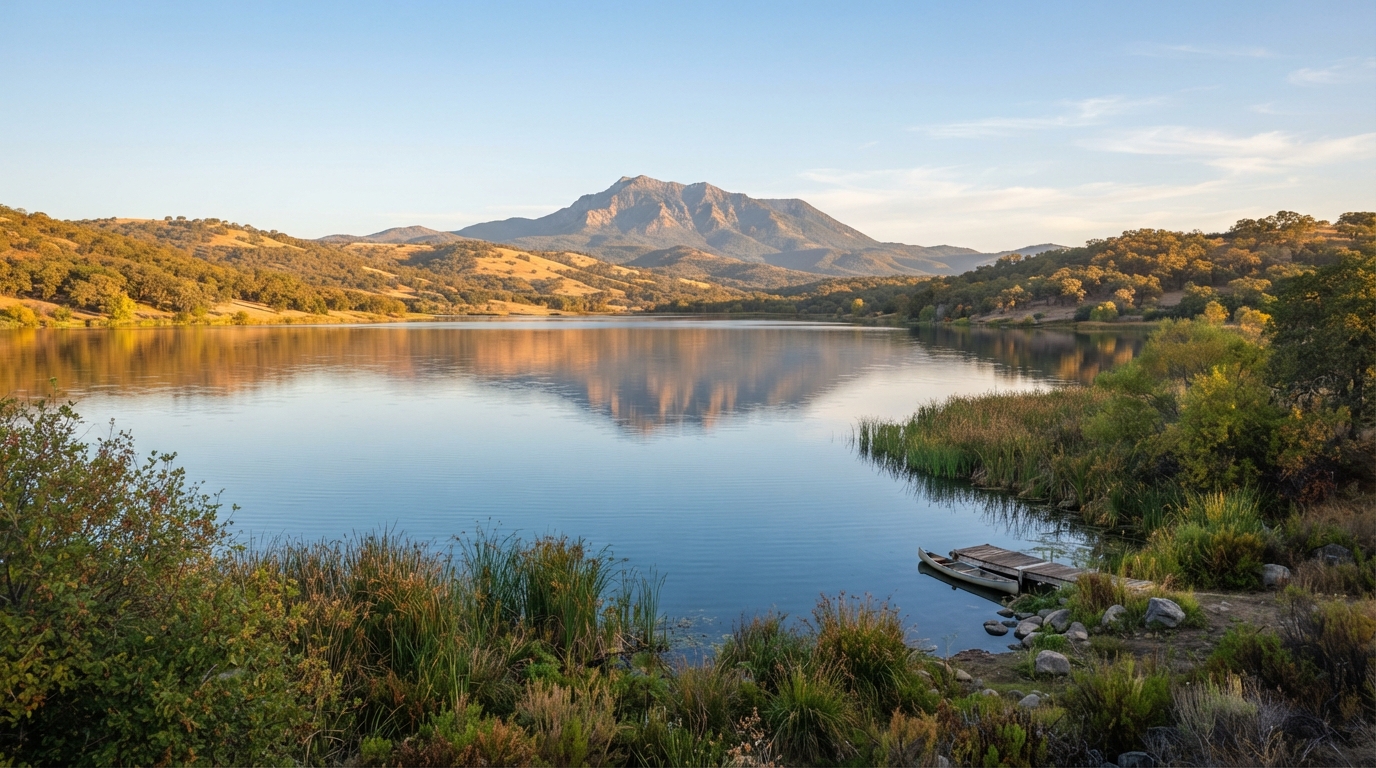
The Clear Lake co-management agreement 2026 marks an important new chapter for one of Northern California’s most distinctive freshwater landscapes. On September 11, Tribal, state, and local government representatives gathered on the shoreline of Clear Lake at Big Valley Rancheria to formally sign a watershed co-management agreement focused on restoration, water quality, native species, and long-term stewardship.
For Lake County residents and visitors, the agreement does not mean that Clear Lake suddenly has a new owner or that public access rules have been replaced. Instead, it creates a framework for governments that already have responsibilities, knowledge, or cultural connections to the watershed to coordinate more closely.
The official agreement includes seven Tribal governments, 12 state agencies, the County of Lake, the cities of Lakeport and Clearlake, and the Lake County Watershed Protection District. Together, those partners are focusing attention on the health of the lake, its surrounding watershed, and native species such as the Clear Lake hitch, known as Chi in Pomo languages and Ṣátti in Lake Miwok.
Travelers can still plan fishing, paddling, hiking, sightseeing, and community visits around the lake. However, understanding this new partnership provides useful context for the restoration projects and environmental work visitors may see during future trips.
What the Clear Lake Co-Management Agreement 2026 Actually Does
The formal name is the Clear Lake Watershed and Chi (Ṣátti) Memorandum of Understanding Co-Management Agreement. It is a written commitment to strengthen cooperation among participating governments. It is not a legally binding agreement that eliminates or transfers the existing authority of any participating government.
That distinction matters. Co-management does not mean that one agency now makes every decision about Clear Lake. Instead, the partners have committed to improving coordination when their work affects water quality, habitat restoration, culturally important species, watershed health, and related projects.
The agreement builds on years of collaboration around Clear Lake. State legislation, Tribal leadership, the Blue Ribbon Committee for the Rehabilitation of Clear Lake, and the Clear Lake Hitch Task Force have all contributed to the broader effort.
Why Tribal Leadership Is Central to the Agreement
Clear Lake has supported Tribal communities for thousands of years. The lake and surrounding landscape are not simply recreation destinations. They are living cultural landscapes connected to food, ceremony, traditional knowledge, wildlife, plants, water, and community history.
The seven Tribal governments participating in the agreement are the Big Valley Band of Pomo Indians, Elem Indian Colony of Pomo Indians of the Sulphur Bank Rancheria, Habematolel Pomo of Upper Lake, Koi Nation of Northern California, Middletown Rancheria of Pomo Indians of California, Robinson Rancheria Band of Pomo Indians of California, and Scotts Valley Band of Pomo Indians of California.
The agreement gives Tribal governments a formal place within a broader collaborative structure rather than treating Indigenous knowledge as an occasional consultation after major decisions have already been shaped.
Chi and Ṣátti Connect Ecology With Cultural History
The Clear Lake hitch is a small native fish found only within the Clear Lake watershed. Local Tribal communities refer to the fish as Chi in Pomo languages and Ṣátti in Lake Miwok. Its decline has become one of the clearest symbols of the ecological challenges facing the watershed.
The County of Lake declared a Clear Lake hitch emergency in 2023, and recovery of the species remains an important part of the wider restoration effort. Protecting the fish requires more than focusing on the lake itself. Tributaries, spawning habitat, water flows, water quality, barriers, drought conditions, invasive species, and other environmental pressures can all influence recovery.
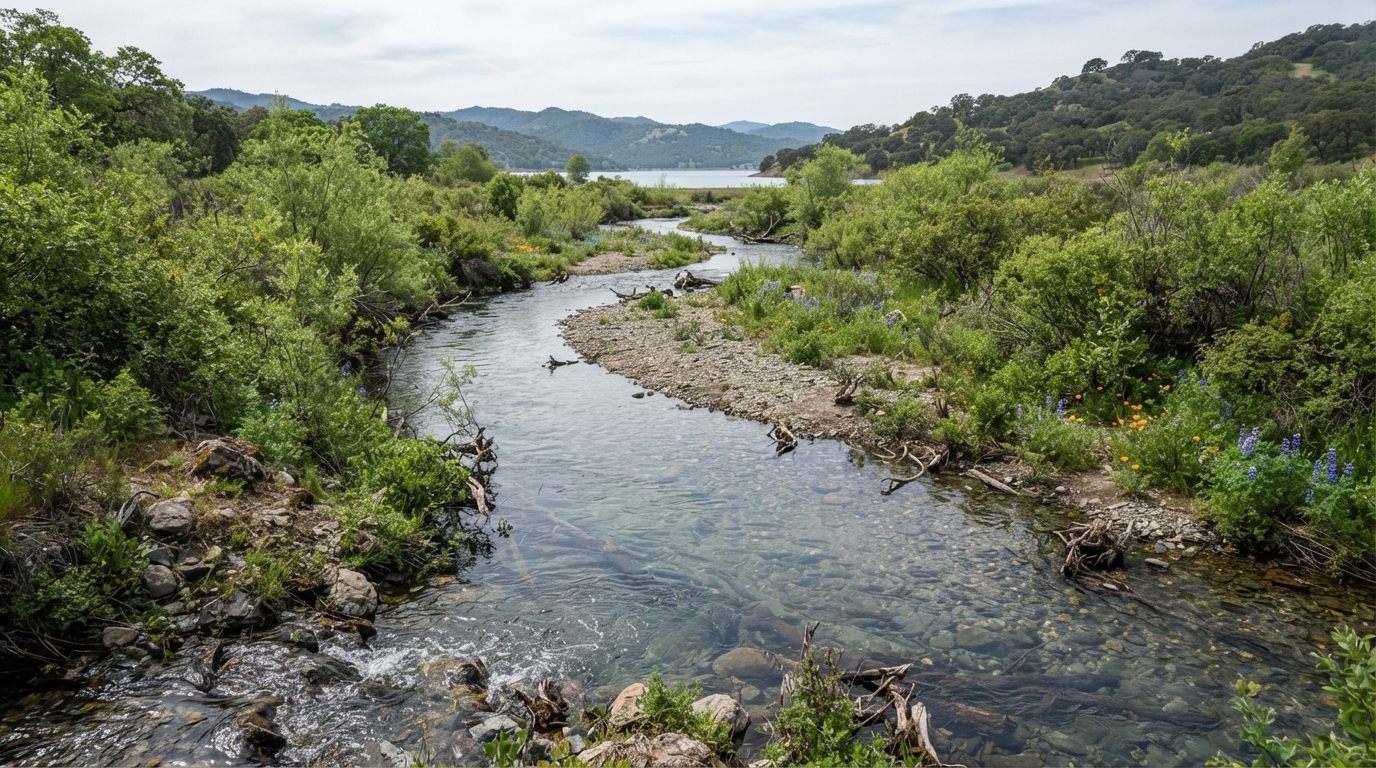
For visitors, this is a useful reminder that Clear Lake’s ecology extends beyond the shoreline. Creeks, wetlands, seasonal waterways, hillsides, and developed areas all form part of the same watershed.
Twenty-Three Government Partners Share a Common Framework
The agreement brings 23 government parties into one collaborative framework. That includes Tribal governments, California agencies, county and city governments, and the Lake County Watershed Protection District.
The number of participants illustrates why Clear Lake restoration can be complicated. Water, wildlife, public land, roads, recreation, development, fire, environmental regulation, cultural resources, and local services may involve different jurisdictions.
A shared framework can make it easier for those governments to identify common priorities and exchange information. It may also help prevent restoration projects from being planned independently when several agencies are working toward similar goals.
The agreement’s goals include improving water quality for beneficial uses, restoring habitat, protecting native species, supporting biodiversity, and improving the long-term condition of the watershed.
What Watershed Restoration Could Mean Around Clear Lake
Visitors should not expect the agreement to produce one enormous construction project around the lake. Watershed restoration usually involves many different types of work over time.
Projects may address wetlands, tributaries, erosion, vegetation, fish passage, water quality, invasive species, habitat, shoreline conditions, monitoring, and scientific research. Some projects may be obvious to visitors, while others may happen away from major recreation areas.
For a broader introduction to the destination itself, use our Clear Lake trip-planning guide to understand the communities, recreation areas, shoreline experiences, and seasonal considerations around the lake.
Water Quality Is About More Than How the Lake Looks
Clear Lake sometimes receives attention for algae, changing water color, aquatic vegetation, and seasonal water-quality concerns. However, appearance alone does not provide enough information to determine whether conditions are suitable for swimming, paddling, pets, fishing, or other activities.
Water quality reflects a complicated system involving nutrients, temperature, runoff, sediment, weather, tributaries, biological activity, and land use across the watershed. Restoration efforts therefore need to look beyond a single beach or boat ramp.
Visitors should continue checking current advisories before entering the water. Do not assume that clear-looking water is automatically safe. Likewise, visible algae does not explain the exact risk without current monitoring information.
Responsible travel also matters. Pack out trash, avoid disturbing wetlands, prevent fuel or waste from entering waterways, clean boating and fishing equipment, and follow local rules intended to limit the spread of invasive species.
How the Agreement Could Affect Lake County Visitors
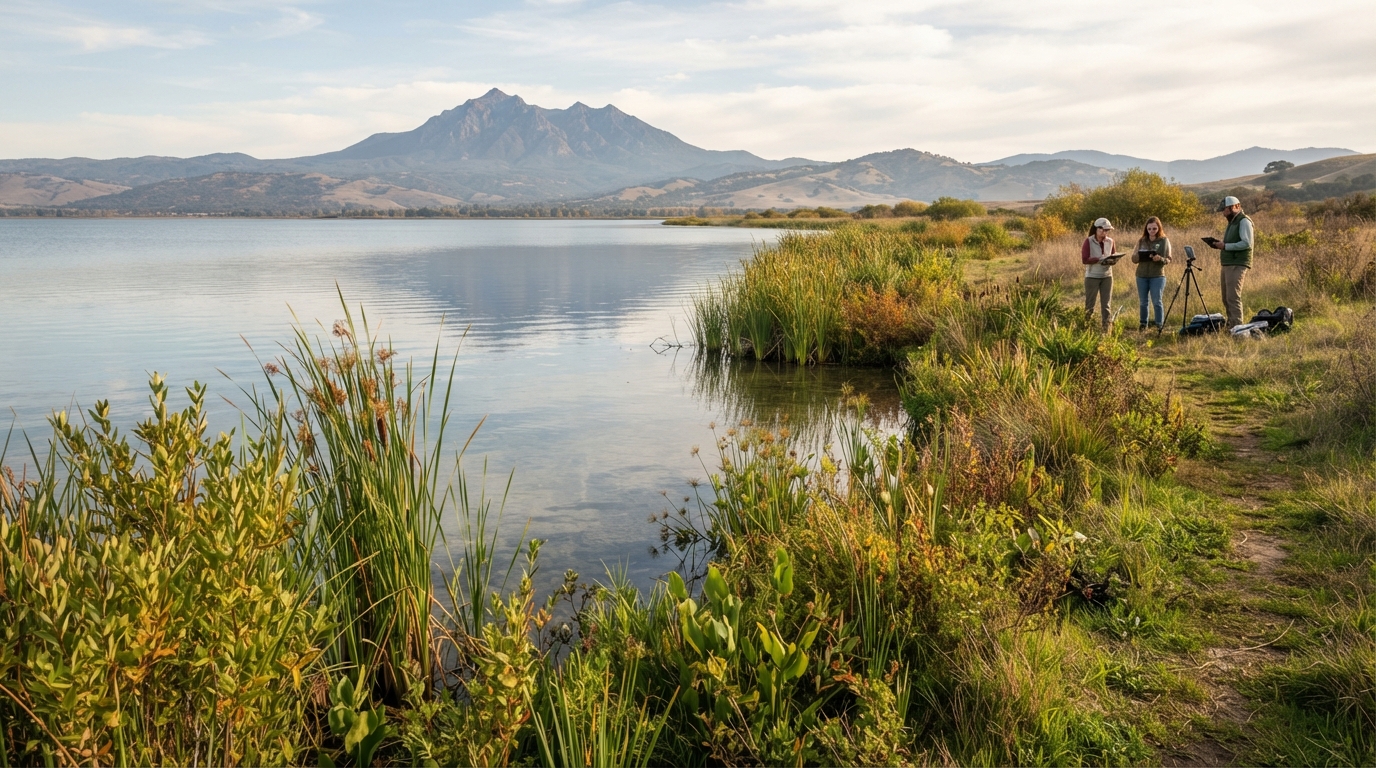
The most immediate effect for a typical traveler may simply be greater awareness of restoration work around the county. Clear Lake remains a recreation destination, and the agreement does not automatically close beaches, trails, launch ramps, fishing areas, parks, or roads.
However, future projects may create temporary access changes in specific locations. A restoration site could require a short closure, detour, construction zone, monitoring area, or seasonal restriction. Visitors should treat those changes as normal parts of managing a living watershed rather than assuming the lake as a whole is unavailable.
The site’s existing Lake County wildfire-ready travel guide offers a similar planning lesson: build flexibility into the trip and check current conditions instead of relying entirely on an old itinerary.
Build Clear Lake Trips Around the Landscape, Not Just One Activity
A good Lake County itinerary already has several possible directions. A visitor might spend the morning on the water, walk through Lakeport, explore a park, visit Kelseyville, hike above the lake, or continue into vineyard country.
That variety makes it easier to adapt if water conditions, weather, restoration work, smoke, trail access, or another temporary issue affects the original plan.
For example, hikers can use our Mount Konocti hiking guide to explore the volcanic landscape above the lake. The mountain also helps travelers understand why Clear Lake is more than a simple basin surrounded by towns. Volcanic terrain, oak woodland, agricultural land, tributaries, and shoreline habitat all interact within the wider region.
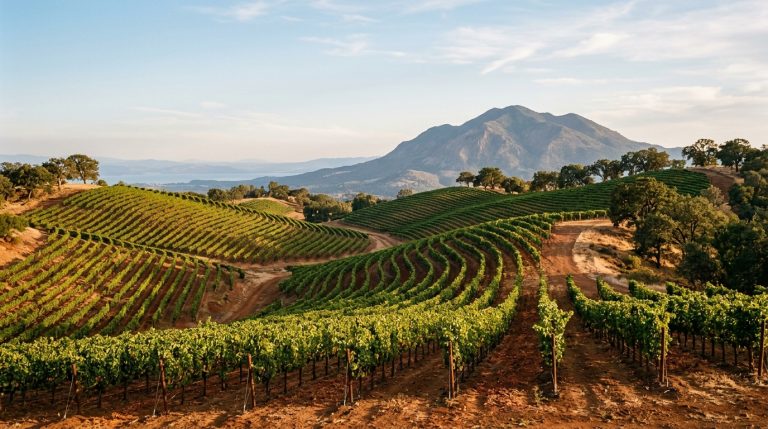
Visitors interested in agriculture can also explore the area’s relationship between geology, water, and farming through our Lake County wine guide. Vineyards, communities, wildlife habitat, recreation, and water resources all depend in different ways on the health and resilience of the surrounding landscape.
Responsible Visitors Can Support Long-Term Stewardship
You do not need to be a scientist or restoration professional to travel responsibly around Clear Lake. Small decisions can reduce pressure on areas that agencies and Tribal governments are working to protect.
Stay on established trails and public access routes. Respect temporary closures. Do not enter restoration areas for photographs. Keep pets under control where required, and never allow them to drink from water affected by an advisory. Clean boats, kayaks, fishing equipment, and other gear according to current invasive-species requirements.
Learn about the communities whose history is tied to the landscape. Tribal stewardship is not simply part of the distant past. The 2026 agreement demonstrates that Tribal governments remain active partners in decisions about the future of Clear Lake.
Most importantly, verify current conditions before your trip. Water advisories, weather, wildfire conditions, road access, park hours, launch availability, restoration work, and seasonal restrictions can change. Use official county, state, Tribal, and land-management sources when a decision depends on current information.
The Clear Lake co-management agreement 2026 will not solve every environmental challenge around the lake overnight. Its importance lies in creating a shared structure for governments that approach the watershed with different responsibilities, expertise, histories, and perspectives.
For Lake County, the agreement connects ecological restoration with cultural stewardship. It recognizes that protecting Clear Lake means thinking about the entire watershed, from tributaries and native fish to communities, recreation areas, hillsides, and shoreline habitat.
For visitors, the message is straightforward: Clear Lake is not only a scenic destination. It is a complex living system with deep cultural significance. Travel thoughtfully, follow current guidance, respect restoration work, and take time to understand the landscape beyond the view from the shoreline.