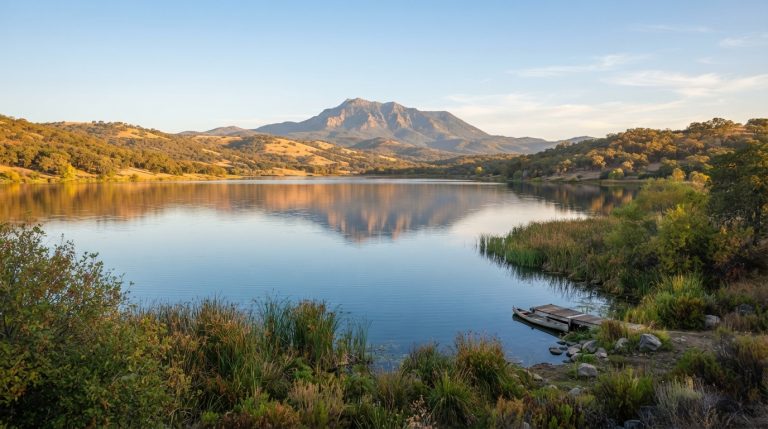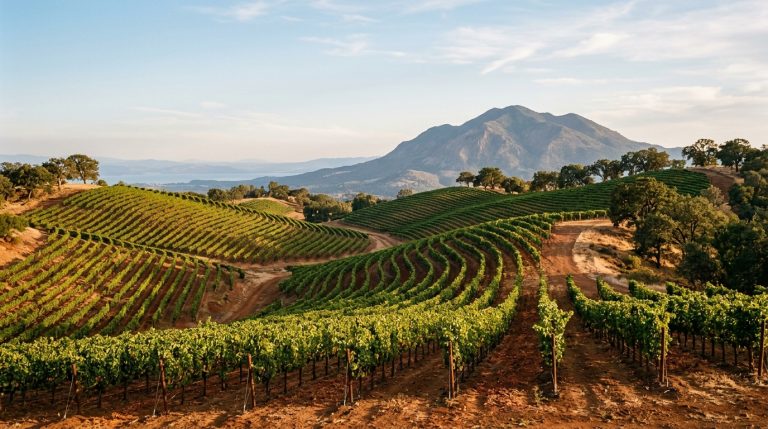
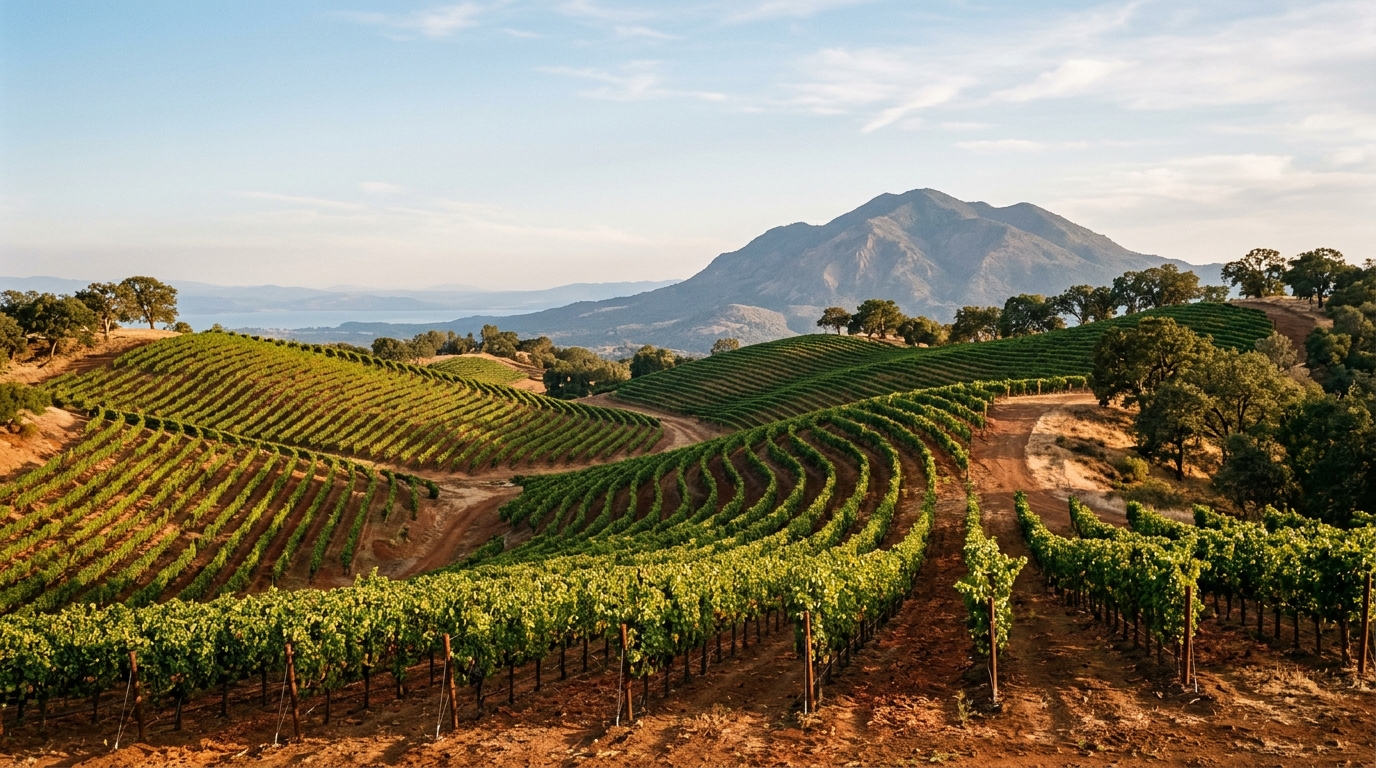
Napa may dominate the conversation about Northern California wine, but travelers who continue north toward Clear Lake discover a region with a different rhythm. Lake County wine country is quieter, more spread out, and closely tied to volcanic ridges, small agricultural communities, and family-run tasting rooms. The appeal is not imitation Napa. It is the chance to understand a wine region on its own terms while meeting growers and winemakers without building an expensive, tightly scheduled day.
Lake County belongs to California’s North Coast wine region, yet its vineyards sit within a landscape shaped by Clear Lake, Mount Konocti, varied elevations, and an unusual mix of volcanic, alluvial, gravel, and clay-based soils. Many vineyard sites begin well above 1,000 feet, and several rise above 2,000 feet. These conditions help explain why the county is associated with expressive Sauvignon Blanc, structured Cabernet Sauvignon, Petite Sirah, Zinfandel, and a growing range of Italian, Rhône, and Mediterranean varieties.
This guide explains what makes Lake County wine distinctive, which appellation names are useful to recognize, and how to plan a tasting trip that supports local producers. It is written for curious beginners as well as experienced wine travelers. Continue planning through our Lake County Wine and Food guides, or combine a tasting day with our 48-hour Lake County itinerary.
Why Lake County Wine Deserves Its Own Trip
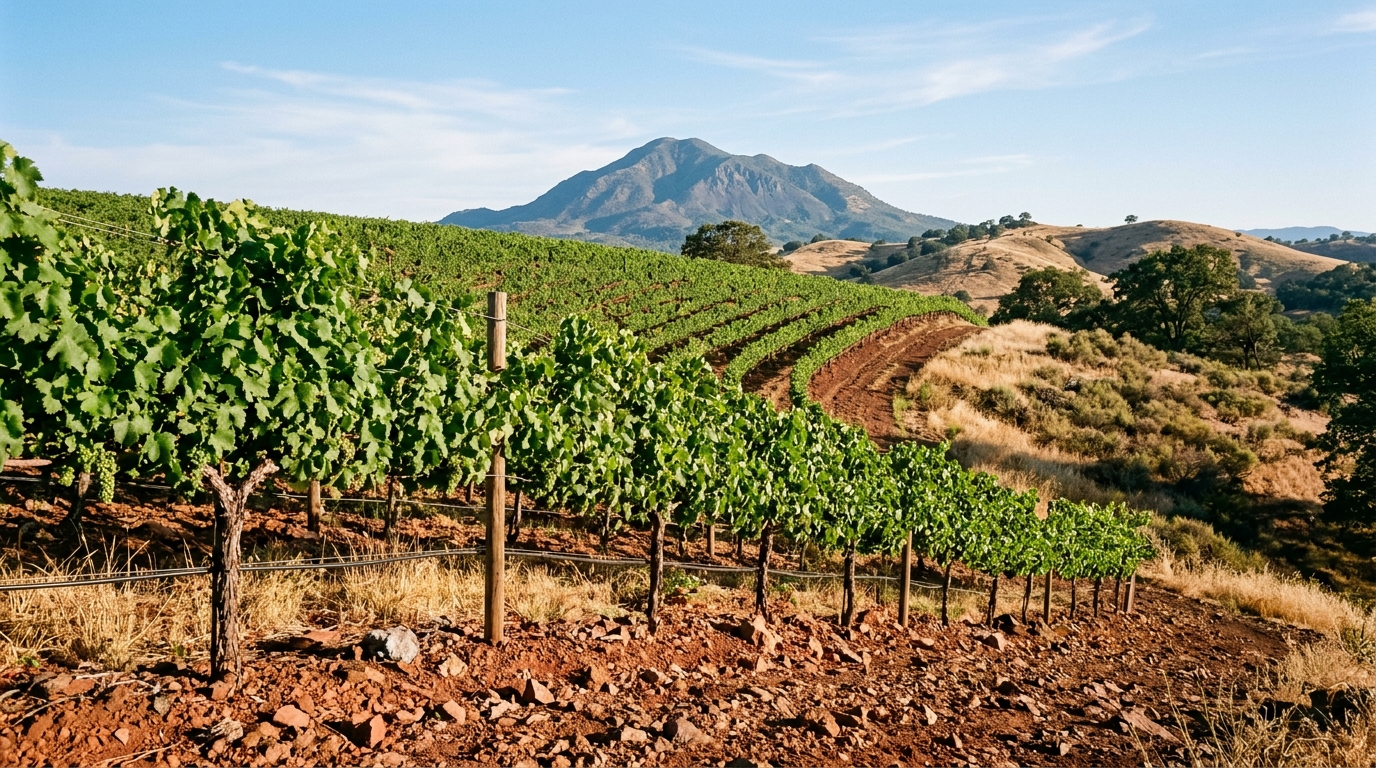
Wine travelers sometimes treat Lake County as an extension of Napa or a convenient stop between better-known regions. That approach misses the point. Lake County has its own geography, farming history, appellations, climate patterns, and visitor experience. The distances between tasting rooms can be significant, but the drives move through oak woodland, vineyard slopes, ranch country, small towns, and broad Clear Lake views rather than continuous commercial development.
Volcanic soils, elevation, and the influence of Clear Lake
Lake County sits within the Clear Lake Volcanic Field, and volcanic materials shape many of its most recognizable vineyard areas. Red, iron-rich soils appear in parts of the Red Hills, while other sites contain combinations of ash, gravel, loam, clay, and alluvial deposits. “Volcanic” is not one uniform soil type, so it should not be used as a simple flavor claim. Its value lies in explaining drainage, vine vigor, root development, exposure, and the physical conditions growers manage.
Elevation adds another layer. Higher sites receive strong sunlight while cooler evenings, slope direction, wind, and proximity to Clear Lake create distinct growing conditions. Two vineyards within the same county can therefore produce different expressions of the same grape.
Red Hills and high-elevation vineyards
The Red Hills Lake County American Viticultural Area lies along the southern side of Clear Lake near the base of Mount Konocti. Its vineyards generally occupy elevated, rolling terrain, and many are planted on striking red volcanic soils with substantial gravel. Cabernet Sauvignon is strongly associated with the area, although growers also work with varieties such as Petite Sirah, Syrah, Grenache, and Sauvignon Blanc.
High Valley, east of Clear Lake, offers another high-elevation setting. Many vineyards there sit between roughly 1,600 and 2,400 feet, with some sites higher. The valley’s orientation, slopes, volcanic history, and day-to-night temperature changes create varied conditions for both red and white grapes. A tasting trip through this side of the county feels rural and expansive, so visitors should confirm appointments and driving times before leaving.
What an AVA name tells you
An American Viticultural Area, or AVA, identifies a legally defined grape-growing region with distinguishing geographic features. Lake County includes or overlaps several AVAs, including Clear Lake, Red Hills Lake County, High Valley, Big Valley District–Lake County, Kelsey Bench–Lake County, Guenoc Valley, Benmore Valley, and Long Valley–Lake County. A bottle may use a county, regional, or smaller appellation depending on where its grapes were grown and whether labeling requirements are met.
An AVA name is a starting point, not a guarantee of flavor or quality. Farming, harvest timing, fermentation, aging, and blending all influence the finished wine. Ask how the vineyard location shaped the winemaker’s decisions. The Lake County Winegrape Commission’s appellation guide is an authoritative resource for comparing the region’s growing areas.
Grapes to seek out in Lake County
Sauvignon Blanc and Cabernet Sauvignon provide two of the clearest entry points into Lake County wine, but stopping there would overlook much of the region’s personality. Depending on the producer, visitors may encounter Chardonnay, Riesling, Muscat, Zinfandel, Petite Sirah, Syrah, Grenache, Cabernet Franc, Merlot, Tempranillo, Sangiovese, Barbera, Montepulciano, rosé, sparkling wine, and field blends.
Start with Sauvignon Blanc
Lake County has built a strong reputation around Sauvignon Blanc, particularly from areas where alluvial soils, lake influence, elevation, and cool nighttime conditions support freshness and aromatic character. Styles vary. Some wines emphasize citrus, herbs, and mineral impressions, while others show riper tropical fruit, texture from lees contact, or subtle oak influence.
Comparing a crisp stainless-steel style with a richer or barrel-influenced version shows how much producer technique matters. Sauvignon Blanc can pair naturally with local produce, goat cheese, salads, grilled fish, herbs, and picnic food.
Explore Cabernet and less expected varieties
Cabernet Sauvignon from elevated Lake County sites can offer dark fruit, firm structure, herbal notes, and freshness, although style varies by vineyard and winemaking. Petite Sirah may deliver deeper color and concentration, while Rhône and Italian varieties can reveal how growers are matching grapes to warmer slopes, wind patterns, and specific soils.
Do not dismiss an unfamiliar grape. A small-production Sangiovese, Tempranillo, Grenache, or field blend may become memorable because it reflects a particular site or family history. Buying one bottle directly also supports the producer without requiring a large purchase.
How to Plan a Relaxed Lake County Wine Weekend

The biggest planning mistake is choosing too many wineries. Lake County tasting rooms are distributed across a large rural area, and road travel takes longer than a map may suggest. Two or three stops in one day are usually enough. This leaves time for lunch, landscape photography, town exploration, and meaningful conversations instead of repeated clock-watching.
Choose one geographic cluster. Kelseyville and the western side of Mount Konocti work well with a Lakeport or Clear Lake State Park visit. Lower Lake, Middletown, and southern routes can connect with Anderson Marsh, historic stops, or the drive toward Napa County. High Valley and eastern Lake County require their own focused route. Our Mount Konocti hiking guide can help active travelers schedule a trail morning before a carefully limited afternoon tasting.
Build the day around people, place, and responsible choices
Check winery websites or call directly before traveling. Hours, reservation policies, food availability, road access, and tasting formats can change. Some locations operate only on selected days or by appointment.
Assign a designated driver before the first tasting, arrange transportation, or have one person abstain. Spitting is normal during educational tasting and reduces consumption. Drink water, eat properly, and never rely on coffee or a short break to make driving safe.
- Reserve two or three tasting stops within one part of the county.
- Confirm current hours and appointment requirements directly.
- Allow extra time for rural roads and photo stops.
- Carry water and eat before or during the tasting route.
- Use a designated driver or professional transportation.
- Ask about vineyard source, elevation, farming, and appellation.
- Support producers through thoughtful purchases rather than rushed volume.
Wine country is agricultural land, not an open-access theme park. Stay on public roads and marked visitor areas, respect closed gates, do not enter vineyard rows without permission, and keep drones grounded unless the property explicitly allows them. During dry months, avoid parking over grass and follow all fire restrictions. Dogs and children should be brought only where the winery confirms they are welcome.
Pair wine with the wider county rather than making alcohol the only purpose of the trip. Visit Kelseyville or Lakeport, stop at a farm stand when open, walk a public park, learn about Mount Konocti’s volcanic landscape, or watch evening light on Clear Lake. These experiences provide the sense of place that makes the wine easier to understand.
Lake County’s advantage is not that it offers a cheaper copy of Napa. Its advantage is space, elevation, geological variety, working vineyards, small producers, and the possibility of direct conversation. Travel slowly, ask precise questions, and let one subregion tell its story. The result is a wine weekend that feels connected to the landscape rather than built around collecting tasting-room names.