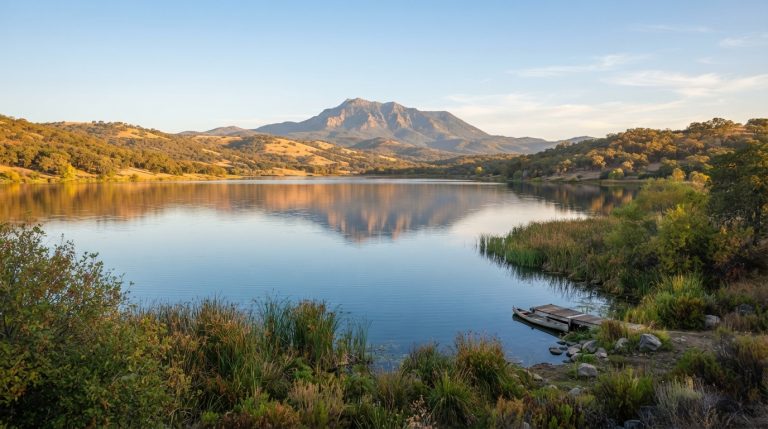
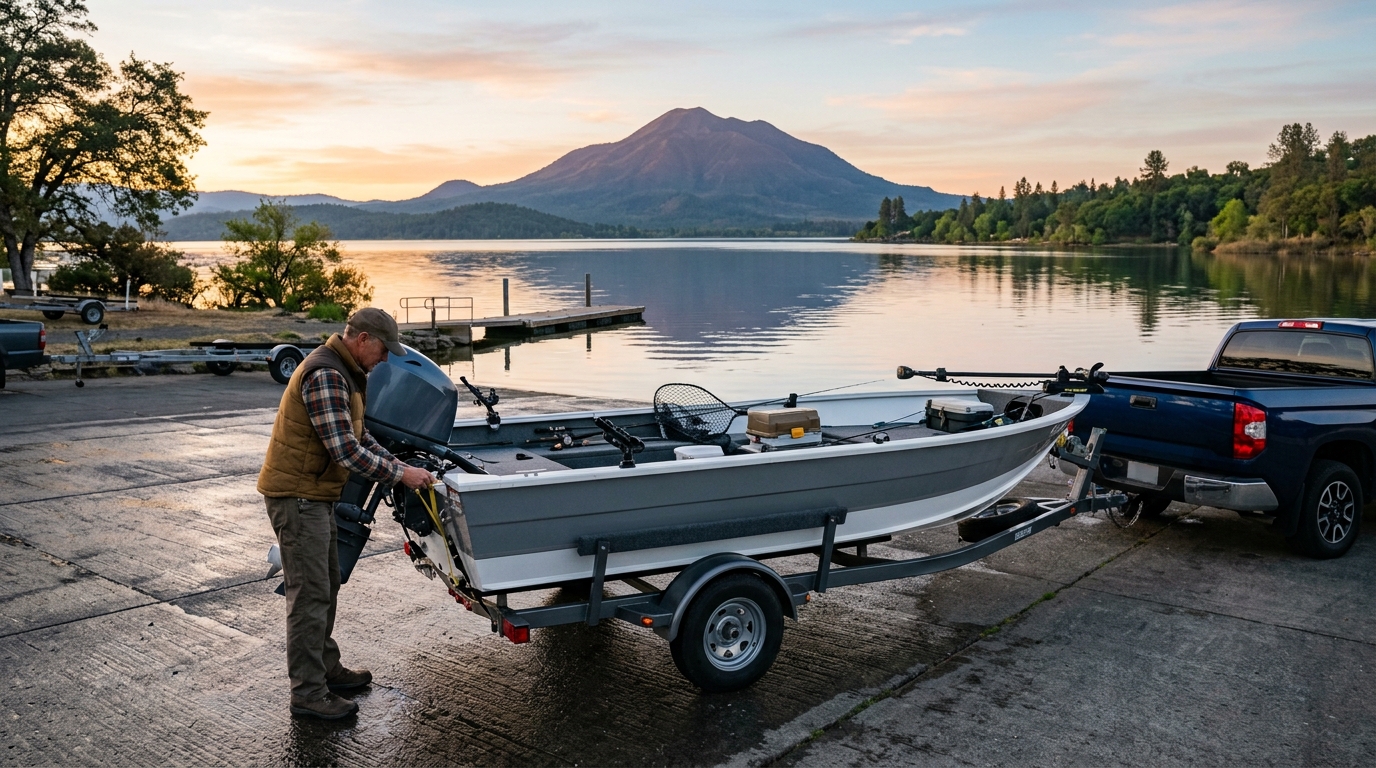
Clear Lake is one of California’s best-known freshwater recreation destinations, attracting anglers, paddlers, sailors, wake boaters, and families who return year after year. That popularity also creates a pathway for invasive species to move between waterways. A boat, trailer, anchor line, livewell, bait bucket, paddle, or piece of wet gear can carry organisms that are difficult to see but capable of causing long-term ecological and economic damage.
Golden mussels have become a major concern in California since their discovery in the Sacramento–San Joaquin Delta region. Lake County has warned residents and visitors that the species could threaten Clear Lake and other local water bodies if introduced. This does not mean boaters should avoid the lake. It means every launch should begin with preparation, screening, and a careful clean-drain-dry routine.
Use this guide before transporting any watercraft to Lake County. Requirements and inspection procedures can change, so confirm the current rules through the official Lake County invasive mussel program before departure. You can also review our Clear Lake and Water guides for more boating, shoreline, and water-quality information.
Why Golden Mussels Matter to Clear Lake
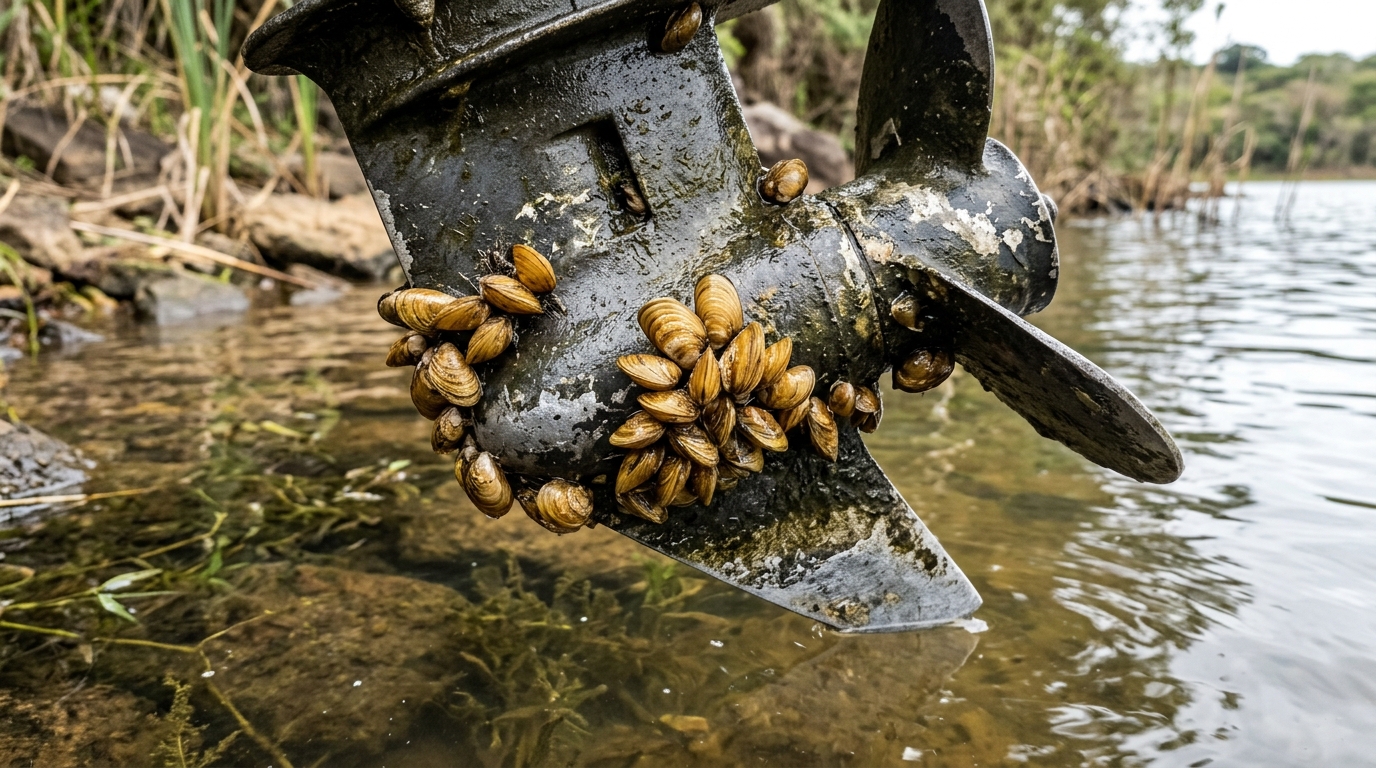
The golden mussel, scientifically known as Limnoperna fortunei, is a small freshwater bivalve native to parts of Asia. It can attach to boats, docks, pipes, pumps, intake structures, ropes, buoys, and other underwater surfaces. Unlike a harmless shell that simply rides along, an established population can reproduce rapidly, form dense colonies, and interfere with ecosystems and water infrastructure.
California agencies treat the species seriously because it can tolerate a broader range of environmental conditions than some other invasive mussels. That flexibility may allow it to survive in waterways where quagga or zebra mussels face limits. Clear Lake’s ecological, recreational, cultural, and economic importance makes prevention far more practical than trying to manage a population after it becomes established.
Potential effects on water, wildlife, and infrastructure
Golden mussels filter large amounts of water while feeding. In high numbers, that behavior can change how nutrients and microscopic food move through an aquatic system. Those changes may affect native species, sport fisheries, aquatic vegetation, and the balance of organisms that depend on the same food sources. Scientists and managers continue studying how the species may interact with California’s varied lakes and rivers.
The physical impacts can be easier to imagine. Dense colonies may clog water-intake systems, reduce flow through pipes, attach to pumps, increase maintenance needs, and damage equipment. Marinas, irrigation systems, municipal water facilities, hydroelectric infrastructure, and private boats can all face higher costs when invasive mussels become established.
Prevention protects more than recreation
Clear Lake supports boating and fishing, but its importance extends well beyond a weekend trip. Communities, public agencies, businesses, wildlife, and culturally significant species all depend on the health of the watershed. Preventing a mussel introduction protects public access while also reducing risks to water systems and long-term restoration work.
That is why a screening requirement should not be viewed as unnecessary bureaucracy. A short inspection or cleaning step can help prevent years of costly control efforts. Boaters who arrive prepared usually move through the process more smoothly and help keep launch access available for everyone.
Why boats are a major pathway
Adult mussels can attach to hard surfaces, while microscopic larvae can remain in standing water. A vessel may look clean but still hold water in the bilge, livewell, ballast tank, motor, cooling system, bait container, or other hidden compartment. Damp ropes, anchors, life jackets, and fishing gear can also move organisms between lakes.
The risk rises when a boat travels from an infested or connected waterway and launches elsewhere without enough cleaning, draining, or drying time. Even a professionally maintained boat needs attention after leaving the water. Prevention works only when the full vessel and all associated equipment are included.
Lake County screening and sticker requirements
Lake County operates an invasive mussel prevention program for local water bodies. The county states that trailered vessels must be screened and must display a current Lake County mussel sticker before launching. The local sticker is separate from the mussel fee sticker associated with California vessel registration.
Some small nonmotorized watercraft are listed as exempt from the local sticker requirement, including nonmotorized canoes, nonmotorized kayaks, car-top boats, float tubes, and rafts. However, exemption from a sticker does not remove the responsibility to clean, drain, and dry equipment. A paddleboard, fishing float, or kayak can still carry water, mud, plants, or small organisms.
Check the current rules before driving
Do not rely on an old social-media post or a sticker from a previous season. Check the Lake County Invasive Mussel Prevention page before your trip for current fees, screening locations, applications, exemptions, and contact information. Visitor and resident sticker validity may differ, so confirm which option applies to your vessel.
If your boat has recently visited another county or water body, tell the screener where it has been and when it last left the water. Accurate information helps staff determine whether an inspection, additional drying, or decontamination is needed. Hiding a recent launch history defeats the purpose of the program and places Clear Lake at risk.
Prepare documents and equipment in advance
Complete any available screening application before arriving when the county recommends it. Bring vessel information, know your recent launch history, and make sure compartments can be opened for inspection. Remove covers or clutter that block access to the bilge, livewell, anchor locker, ballast controls, and other areas that may retain water.
Plan extra time instead of arriving just before a fishing tournament, reservation, or group departure. Inspection rules exist to protect the water body, not to match a rushed schedule. A clean and organized vessel is easier to examine and demonstrates that the operator has taken prevention seriously.
How to Clean, Drain, and Dry Before Launching
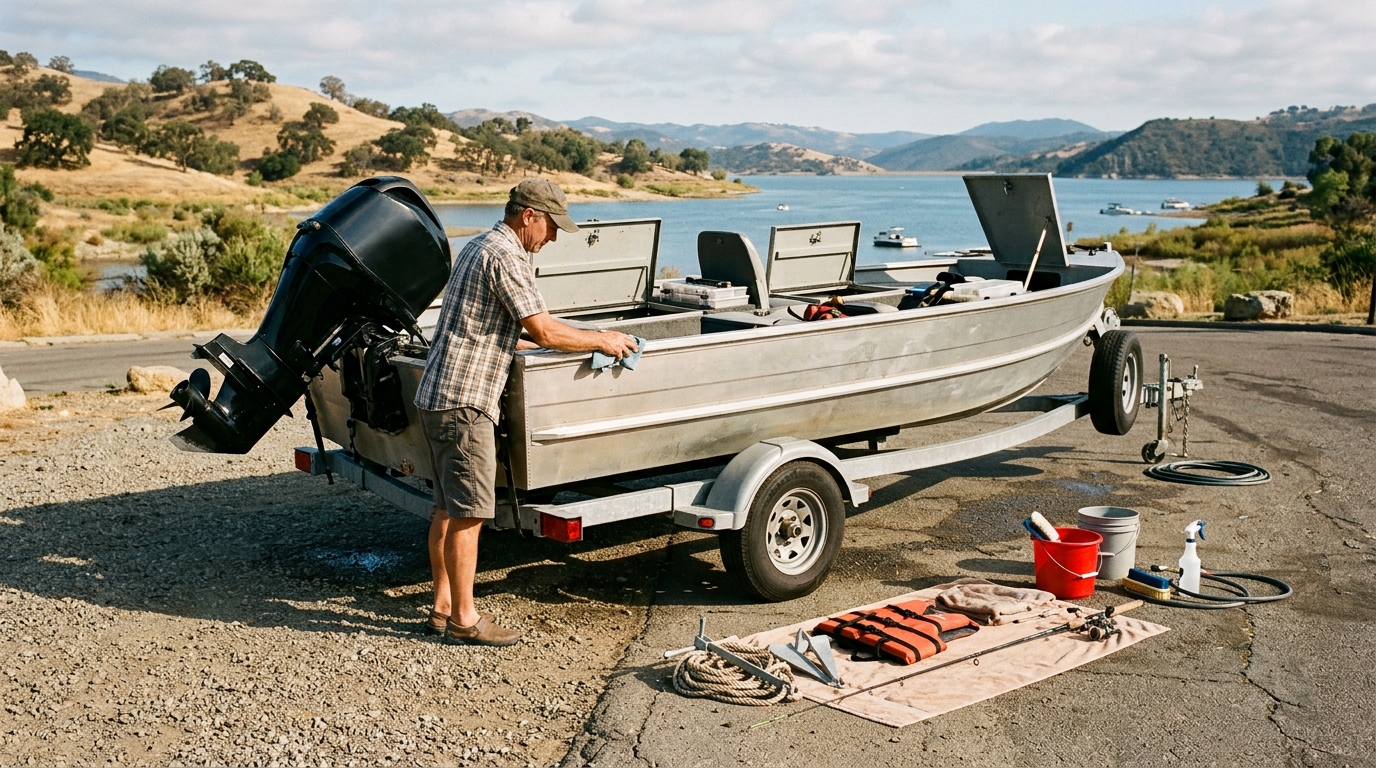
Clean, drain, and dry is more than a slogan. Each word describes a separate action, and skipping one can leave a pathway for invasive species. Perform the process every time you leave a water body, not only when an inspection station is nearby.
Start by removing all visible plants, mud, debris, shells, and animals from the boat, trailer, motor, anchor, ropes, bunks, rollers, axle, and fishing equipment. Check areas that stay shaded or wet. Dispose of removed material on land and never wash it into a storm drain or another waterway.
A practical post-trip checklist
Drain every location that can hold water. Open drain plugs, empty livewells and bait tanks, lower the motor as appropriate, and follow the manufacturer’s instructions for ballast systems and internal plumbing. Do not transport live bait or water from one lake to another. Local fishing regulations may impose additional rules, so check them before traveling.
Dry the vessel and gear completely for the period required by the destination or inspection authority. Weather affects drying time, and enclosed systems may remain wet long after the outside appears dry. Boats with ballast tanks, complex cooling systems, or areas that cannot be fully drained may need professional decontamination or destination-specific guidance.
- Inspect the hull, trailer, propeller, motor, transom, and intake areas.
- Remove plants, mud, fishing line, shells, and attached debris.
- Drain bilges, livewells, ballast tanks, bait containers, and coolers.
- Clean anchors, ropes, paddles, boards, waders, nets, and life jackets.
- Allow the vessel and equipment to dry completely before the next launch.
- Keep drain plugs out during transport where legally permitted.
- Follow any inspection seal, quarantine, or decontamination instructions.
For statewide identification guidance and the latest confirmed detection map, visit the California Department of Fish and Wildlife golden mussel page. If you find a suspicious mussel, do not move it to another location. Take clear photographs with an object for scale, record the exact location, and report it through the official state process.
Never scrape suspected mussels onto the ground at a launch ramp where they could be washed back into the water. Follow agency instructions for containment and disposal. When you are unsure whether a vessel is ready to launch, contact the managing agency before making the trip.
Boaters can also reduce pressure on Clear Lake by planning responsibly once they arrive. Respect no-wake zones, avoid disturbing shoreline habitat, dispose of fishing line properly, and review current water-quality information. Our Clear Lake water-quality guide explains how to check advisories and make safer decisions around swimming, pets, and changing shoreline conditions.
Golden mussel prevention depends on thousands of ordinary choices. One careful inspection, one drained livewell, or one delayed launch may feel small, but those actions form the strongest defense available. Arrive with a clean vessel, answer screening questions honestly, follow local rules, and treat every transfer between waterways as a potential pathway. Clear Lake’s future access, fisheries, wildlife, and infrastructure are worth the extra effort.