
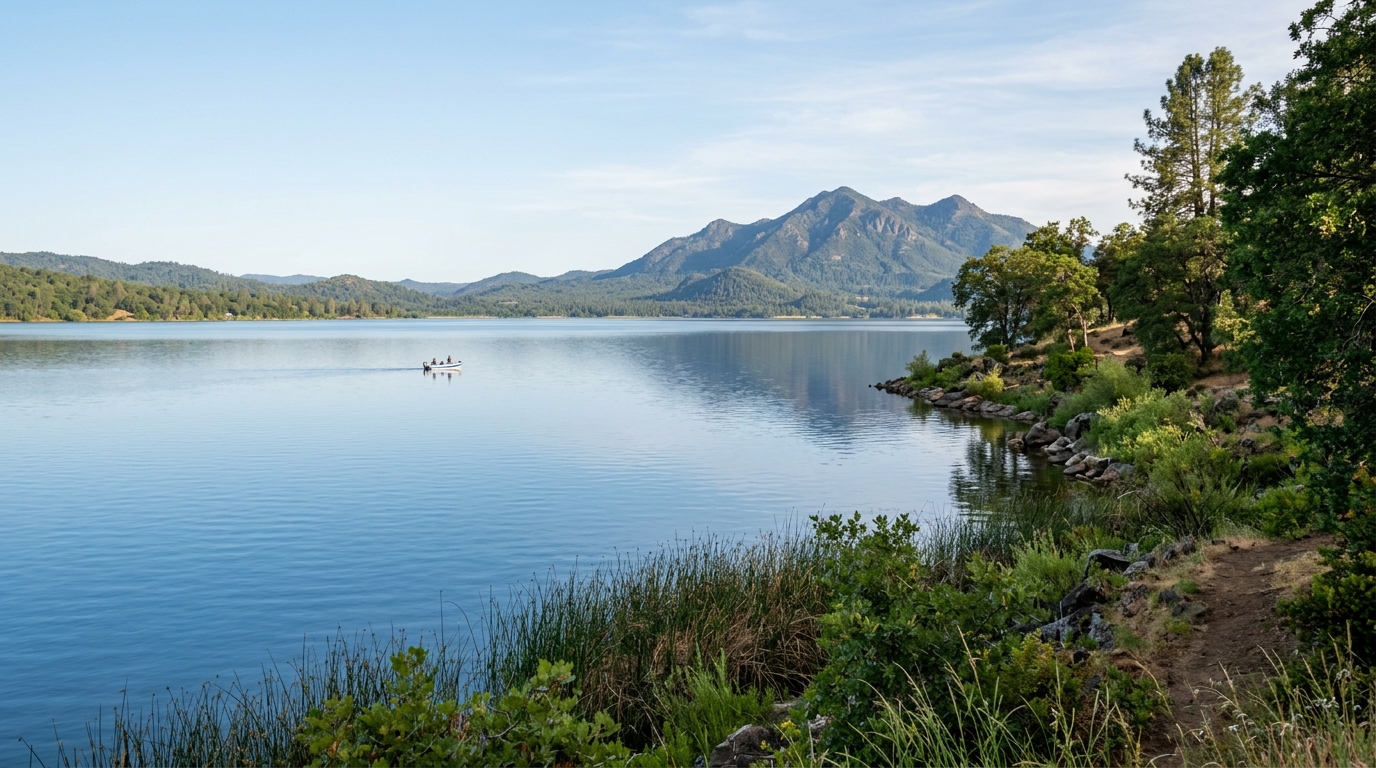
Clear Lake is one of Lake County’s defining landscapes, drawing visitors for boating, fishing, paddling, wildlife watching, shoreline picnics, and relaxed days near the water. Its beauty, size, and natural productivity also mean that conditions can vary from one part of the lake to another. A clear-looking launch area in the morning may not tell you what is happening across the lake, and a report from last week may not describe today’s shoreline.
This guide explains how to check current Clear Lake water quality information, recognize situations that deserve extra caution, and make practical decisions before entering the water. It is written for visitors, families, boaters, anglers, and pet owners who want to enjoy the lake responsibly. It does not replace posted advisories or instructions from Lake County, California public-health agencies, tribal monitoring programs, park staff, or emergency officials.
Before leaving home, browse our Clear Lake and Water guides for additional trip-planning ideas. You can also use our Lake County town guides to identify nearby parks, launch areas, food stops, and alternative activities when shoreline conditions are not suitable for your original plan.
Why Clear Lake Conditions Can Change
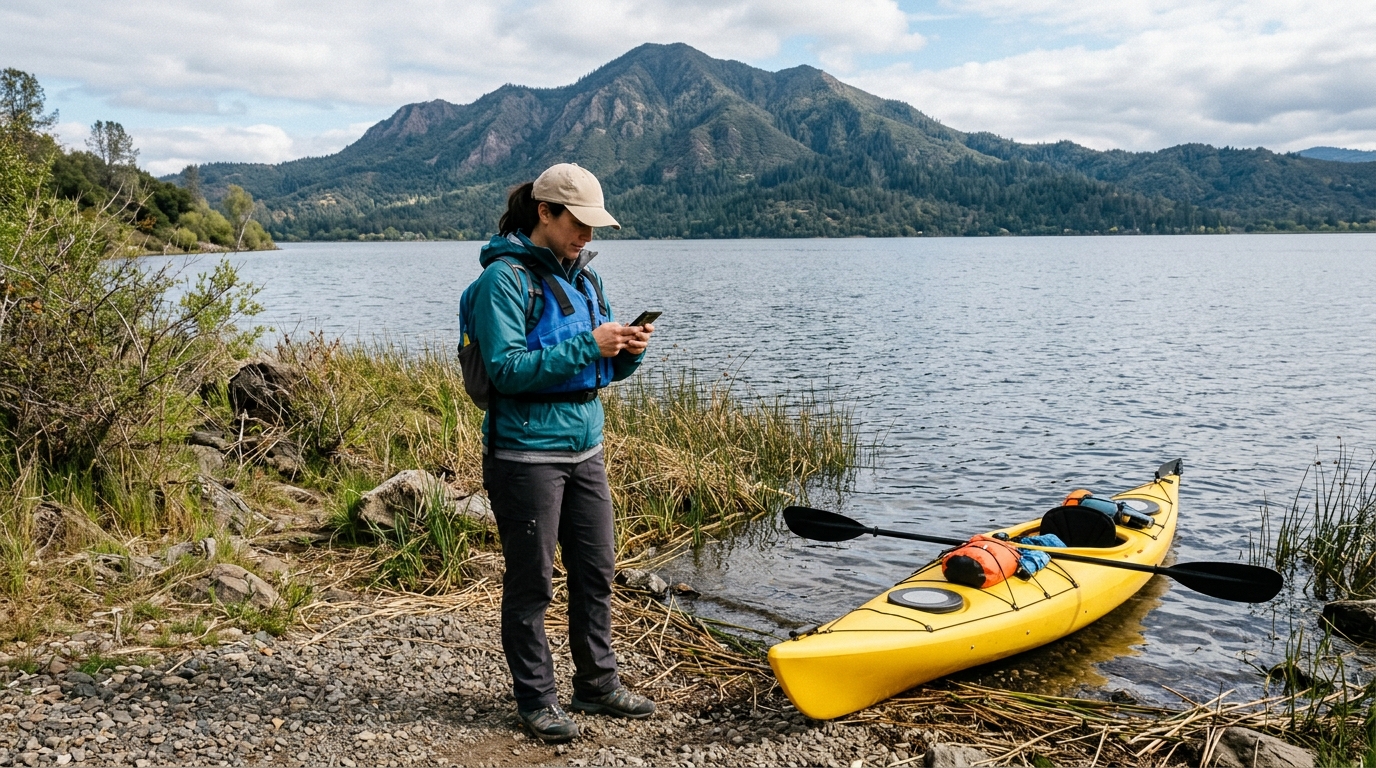
Clear Lake is a naturally nutrient-rich and highly productive freshwater ecosystem. That productivity supports abundant plant life, fish, birds, and other wildlife, but it can also support rapid growth of algae and cyanobacteria under favorable conditions. Temperature, sunlight, wind, nutrients, water movement, and location can all influence what visitors see along a particular shore.
Because Clear Lake is large, conditions may be localized. One bay, beach, marina, or protected shoreline can look different from an exposed section of open water. Wind can move surface material, while changing weather can concentrate or disperse visible streaks. This is why a single photograph, social-media post, or distant view should never be treated as a lake-wide safety assessment.
Understanding algae and cyanobacteria
Not every patch of green material is the same. Ordinary green algae are part of freshwater ecosystems, while some cyanobacteria—often called blue-green algae—can produce toxins under certain conditions. The presence or toxicity of cyanobacteria cannot be confirmed reliably by appearance alone. Laboratory testing, monitoring data, and official advisory systems provide a stronger basis for decision-making.
Visitors may notice discolored water, floating mats, streaks that resemble spilled paint, surface scum, unusual odors, or material collecting near the shore. These signs do not prove that toxins are present, but they are enough reason to stop, keep people and animals away, and check the latest official information.
Visible water is only one clue
Clear-looking water does not automatically mean that every location is suitable for swimming, and green-looking water does not always identify the exact organism involved. Avoid trying to diagnose lake conditions yourself. Check posted signs, look for current monitoring information, and use conservative judgment when conditions appear questionable.
Never taste lake water or use untreated surface water for drinking, cooking, washing dishes, or preparing food. Boiling water is not a dependable way to remove every toxin associated with harmful algal blooms. Bring sufficient drinking water from a safe source, especially when visiting remote shoreline areas or spending a full day on the lake.
Warm-season monitoring matters
Cyanobacteria concerns often receive more attention during warmer periods, when visitors also spend more time swimming, paddling, and boating. Lake County provides water-quality and cyanobacteria resources, while monitoring partners collect samples at multiple Clear Lake locations during the warm season. Results are useful, but they represent specific places and sampling times rather than a permanent guarantee for every part of the lake.
Start with the Lake County Clear Lake Water Quality portal. Check it close to your travel date, then review signs and conditions again when you arrive.
Where to check current information
A responsible Clear Lake trip begins with current sources, not an old article or a screenshot shared without a date. Conditions, advisories, access, and public-health recommendations can change. Save the official pages on your phone before traveling, particularly if mobile service may be inconsistent.
Use official maps and local updates
The California Harmful Algal Bloom Reports Map displays reported freshwater bloom locations and monitoring information submitted to the state. It should be used together with Lake County updates, local signage, park notices, and direct guidance from the agency managing the location you plan to visit.
Before entering the water, complete a simple four-step check:
- Review the state HAB map and Lake County water-quality pages shortly before departure.
- Look for advisory signs at the beach, park, marina, launch, or shoreline access point.
- Observe the water for scum, mats, unusual color, streaks, strong odor, or distressed wildlife.
- Change locations or choose a land-based activity when information is unclear or conditions look suspicious.
California uses caution, warning, and danger signs to communicate different levels of risk. Do not assume every sign means the same thing. Read the posted instructions completely and follow the most restrictive current direction. When there is no sign, visitors still need to observe the water and use sound judgment.
How to Plan a Safer Day at Clear Lake
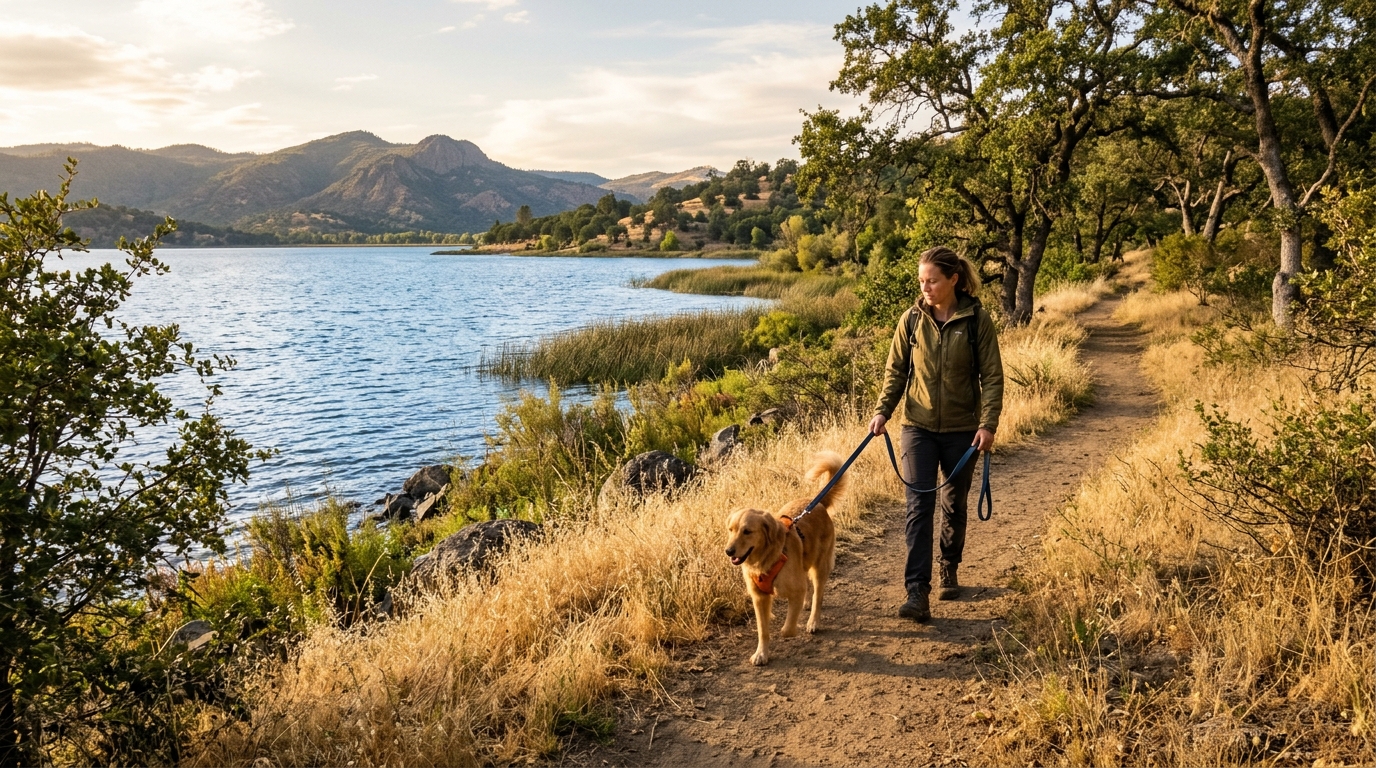
Water-quality awareness should be part of normal trip planning, alongside checking the weather, packing sun protection, reviewing fire restrictions, and confirming park access. A flexible itinerary makes it easier to respond calmly when conditions are different from what you expected.
Build your day around several options. A morning paddle might be your first choice, but a shoreline walk, museum visit, scenic drive, shaded picnic, town exploration, or vineyard stop can preserve the trip when water contact is not recommended. Our Parks and Trails guides can help you identify land-based alternatives around Lake County.
Simple decisions before and during your visit
Pack clean drinking water, handwashing supplies, towels, a change of clothing, closed containers for food, and a leash for every dog. Keep children close to an adult near the shore. Do not allow anyone to play with floating mats or shoreline scum, even when it looks harmless.
If you swim or wade where recreation is permitted, avoid swallowing water and shower or rinse with clean tap water afterward. Wash exposed gear and clothing before using them elsewhere. Anglers should follow current fish-consumption and cleaning guidance rather than relying on general assumptions about a species or fishing location.
Protect children and pets first
Dogs can be especially vulnerable because they may drink lake water, lick wet fur, or investigate material along the shore. Keep pets away from discolored water, foam, scum, and stranded algae. Carry separate drinking water and a bowl so a thirsty animal is not tempted to drink from the lake.
If a person or pet may have been exposed and develops concerning symptoms, leave the water, rinse with clean water, and seek appropriate medical or veterinary advice promptly. Report suspected bloom-related illness through the channels listed by California public-health authorities. Do not wait for social-media confirmation before responding to a possible exposure.
Boaters also have a separate responsibility to prevent invasive species from moving between waterways. Follow Lake County vessel-inspection requirements and clean, drain, and dry boats, trailers, boards, fishing equipment, and other gear. Water-quality protection is broader than avoiding a bloom; it includes reducing the spread of organisms that can damage ecosystems and infrastructure.
Finally, record the date and location of the official information you used. A saved page without a visible date can be misleading later. Recheck advisories whenever you return, even if you visited the same shoreline safely a few days earlier.
Clear Lake remains a remarkable place to experience from the water and the shore. Responsible recreation does not require fear; it requires current information, careful observation, and the willingness to adjust plans. Check official sources, follow posted signs, protect children and pets, and remember the most useful rule when something looks wrong: when in doubt, stay out.
For more practical planning ideas, visit our latest Lake County field notes and explore guides covering Clear Lake, local communities, parks, trails, wine country, and seasonal travel.